Leaf Watercolor Clipart Illustration Review
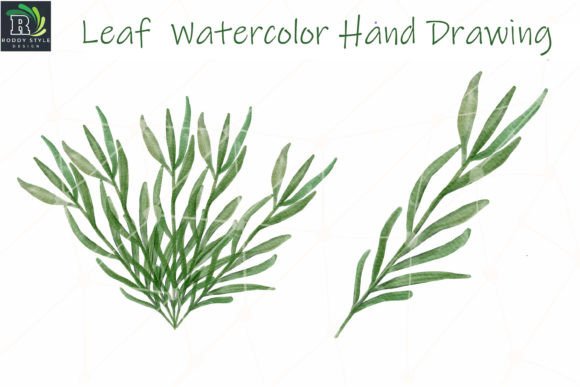
As a digital publisher who has spent over a decade curating visual assets for high-traffic blogs and affiliate sites, I know that the difference between a click and a scroll-past often comes down to the quality of your imagery. When I first encountered the Leaf Watercolor Clipart Illustration, my immediate reaction was one of relief. In a sea of sterile, stock-photo-perfect greenery, this graphic design asset offers a breath of organic life. It immediately signals an editorial mood that is soft, approachable, and deeply connected to nature without feeling cliché. For content creators in the wellness, lifestyle, gardening, or sustainable living niches, this asset does more than just decorate; it establishes a tone of trust and authenticity from the very first pixel.
The Editorial Mood and Visual Identity
Visual hierarchy is the backbone of effective web design, and the Leaf Watercolor Clipart Illustration excels at creating a gentle yet distinct focal point. Unlike rigid vector shapes that can feel cold or corporate, the watercolor texture introduces a human element. This is crucial for building brand identity. When you are designing a website header or crafting a digital guide, the subtle variations in color and the soft edges of these leaves suggest creativity and care. It feels less like a mass-produced commercial design and more like a hand-crafted detail, which resonates powerfully with readers looking for genuine advice or products.
This asset naturally supports a modern design aesthetic that leans towards the feminine, artistic, and seasonal. It works beautifully as an accent piece in editorial layouts, breaking up walls of text and guiding the reader's eye through your content. Whether you are writing about spring cleaning, eco-friendly home tips, or mindfulness practices, the illustration reinforces the message visually. It transforms a standard blog post into a polished piece of content marketing that feels cohesive and intentional.
Real-World Publishing Applications
In my workflow, I rarely use a single image in isolation. The true value of the Leaf Watercolor Clipart Illustration lies in its versatility across various platforms. I recently tested this asset across multiple touchpoints in a real publishing scenario, and the results were impressive.
- Blog Featured Images: Paired with a bold sans-serif headline, these leaves create a stunning featured image that stands out in search results. The organic shape contrasts perfectly with clean typography, ensuring better click-through potential.
- Pinterest Pins: Pinterest is a visual search engine, and users crave aesthetic consistency. Using these illustrations as background elements or framing devices for your Pinterest pin designs can significantly increase saves and clicks. They add that "Pinterest-worthy" polish that drives traffic back to your site.
- Newsletter Headers: Email open rates depend heavily on subject lines and preview images. A subtle leaf motif in your newsletter graphics adds a touch of elegance and makes your emails feel less like spam and more like a curated digest.
- Digital Products and Lead Magnets: If you offer a downloadable resource, such as a digital guide, printable design worksheet, or eBook cover, the quality of the cover art dictates perceived value. This clipart elevates a simple PDF into a premium-looking digital product.
- Social Media Graphics: From Instagram stories to LinkedIn posts, consistent social media graphics build recognition. These leaves serve as excellent creative design elements to frame quotes, announcements, or affiliate marketing promotions.
Enhancing Content Performance and Trust
Why does using a high-quality graphic design asset matter? Because visuals drive perception. When a visitor lands on your site, they subconsciously judge your credibility within seconds. A polished, professional-looking content page suggests that the information inside is equally reliable. The Leaf Watercolor Clipart Illustration helps achieve this by adding a layer of sophistication. It improves category recognition, making your niche instantly identifiable. For small business branding, this consistency is vital. It tells the audience that you pay attention to details, which translates to trust in your recommendations and products.
Furthermore, in the realm of affiliate marketing, where competition is fierce, your visual presentation can be the tie-breaker. A generic stock photo might get lost, but a unique, custom-feeling composition using these illustrations captures attention. It creates a stronger visual identity that keeps readers engaged longer, reducing bounce rates and increasing the likelihood of conversion.
Strategic Placement and Best Practices
To get the most out of the Leaf Watercolor Clipart Illustration, strategic placement is key. This asset shines brightest in hero images where it can set the scene, or as article thumbnails that need to pop against a white background. It is also perfect for editorial accents, such as section dividers or bullet points in long-form content. For those creating Canva templates for clients or their own use, these leaves are invaluable for adding a custom touch to pre-made layouts.
However, there are scenarios where caution is required. While beautiful, watercolor textures can sometimes lose definition on small mobile thumbnails. Always test how the asset scales down. If the leaves become too blurry or indistinct, they may fail to communicate the intended message on a smartphone screen. Additionally, avoid using them on busy layouts or low-contrast backgrounds where the delicate colors might get lost. In serious professional niches, such as heavy finance or industrial B2B content, the playful and soft nature of this illustration might feel out of place unless used very sparingly as a subtle accent.
Publisher Notes: Testing and Licensing
Before integrating any new asset into your workflow, I recommend a rigorous testing phase. Place the Leaf Watercolor Clipart Illustration beside different font styles—serif, sans serif, script, handwritten, and display fonts—to see which combination yields the best readability and aesthetic balance. Check the contrast carefully; ensure that if you overlay text on top of the leaves, it remains legible. Sometimes, adding a slight drop shadow or a semi-transparent backing box can help.
Performance is another critical factor. Large, uncompressed images can slow down your site, hurting SEO. Ensure you compress the file properly before uploading. Finally, always confirm the commercial licensing terms. As a publisher, you must be certain you have the right to use these design assets on monetized websites, affiliate pages, or paid content products. Never assume a free download includes commercial rights. Verifying this protects your business and ensures you can scale your content marketing efforts without legal hurdles.
Final Thoughts on Visual Storytelling
In the crowded digital marketplace, standing out requires more than just great writing; it demands compelling visuals. The Leaf Watercolor Clipart Illustration is a powerful tool for bloggers, designers, and entrepreneurs looking to elevate their online presence. By infusing your content with this level of creative design, you signal professionalism and care. Whether you are building a lead magnet, designing a website header, or creating social media graphics, this asset provides the artistic flair needed to turn casual browsers into loyal followers. It is a reminder that in the world of digital publishing, every pixel counts toward building a brand that people love to trust.