Reviewing Milan Italy Exquisite Watercolor
A Designer's First Look at the Artistic Potential
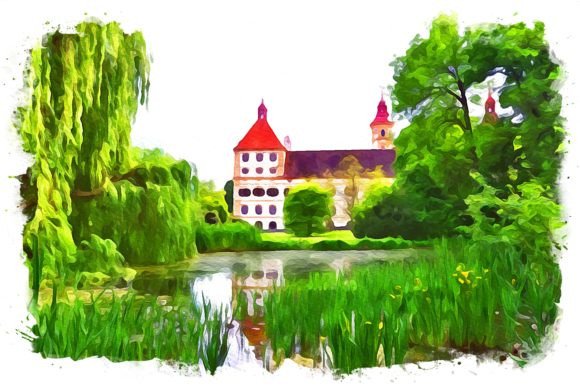
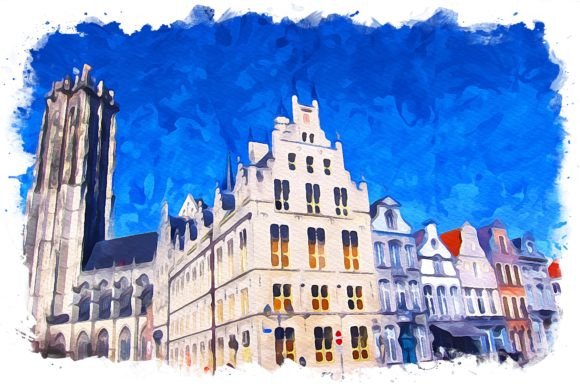
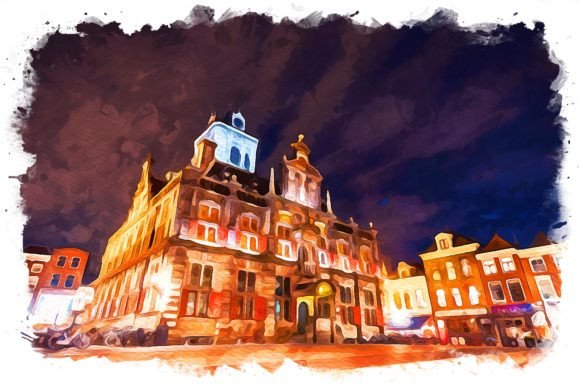
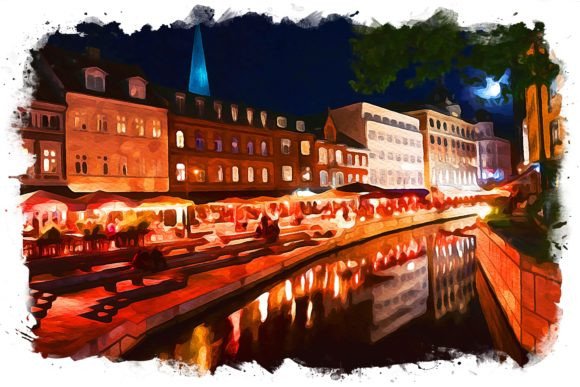
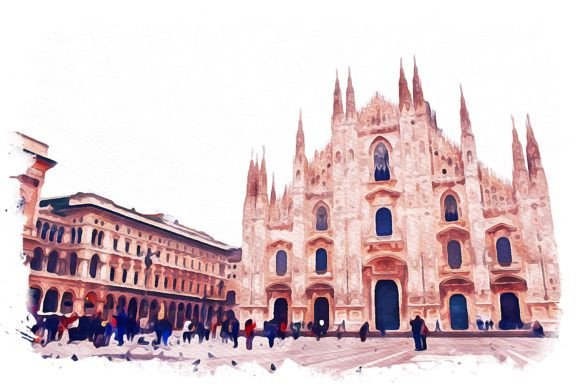
When I first opened the Milan Italy Exquisite Watercolor file on my screen, the immediate reaction was one of appreciation for its soft, artistic aesthetic. As someone who spends countless hours evaluating machine embroidery designs for both personal use and client projects, I know that a digital image does not always translate perfectly to thread. However, this particular design within the Illustrations category manages to capture the dreamy, romantic vibe of an Italian watercolor painting in a way that feels surprisingly viable for stitching. The mood it creates is elegant yet approachable, suggesting a project that leans more towards high-end home decor or boutique fashion rather than rugged workwear.
The layout of the design features fluid shapes and blended color transitions that mimic brush strokes. In the world of embroidery, this presents a unique challenge. Unlike geometric patterns with hard edges, a watercolor style relies heavily on fill stitch techniques to create gradients and softness. My initial assessment is that this design will require careful attention to stitch density. If the density is too low, the "paint" will look patchy; if it is too high, the fabric may pucker, ruining the delicate illusion of a watercolor wash. For any Etsy seller or small shop product creator looking to add a touch of sophistication, understanding this balance is crucial before committing to production.
Bringing the Design to Life: A Real-World Scenario
To truly test the viability of Milan Italy Exquisite Watercolor, let's imagine a specific project: creating a line of premium canvas tote bags for a local boutique specializing in travel-inspired goods. The goal is to sell these as personalized gifts for travelers returning from Europe or as chic accessories for art lovers. In this scenario, the design would be placed centrally on a natural, unbleached cotton canvas. This fabric choice is deliberate because the texture of the canvas can help break up the harsh lines of the running stitch often used in outlines, making the final result look more organic and less like a rigid computer printout.
As I visualize the stitching process, I see the potential for this design to elevate a simple tote bag into a statement piece. The soft hues typical of a watercolor Milan scene would pop beautifully against the neutral background, offering a visual appeal that feels curated and handmade. Customers browsing a craft business website or walking through a craft fair are often drawn to items that feel unique and story-driven. A tote bag design featuring this artwork tells a story of travel, art, and culture, which significantly increases its perceived value compared to a standard logo or clip-art graphic. The finished product would likely command a higher price point due to the intricate nature of the embroidery project.
However, the success of this project hinges on execution. If I were to place this same design on a thin, stretchy t-shirt without proper support, the results could be disastrous. The weight of the threads needed to achieve that rich watercolor effect could cause the fabric to distort. Therefore, the context of the application is just as important as the design itself. For custom apparel, this design works best on structured garments like sweatshirts, heavy cotton tees, or woven fabrics where the stabilizer can do its job without being visible.
Navigating Technical Challenges and Fabric Choices
While the artistic vision is strong, practical limitations must be addressed. One area where Milan Italy Exquisite Watercolor requires caution is in small hoop sizes. The delicate details inherent in a watercolor illustration can get lost if the design is scaled down too much. Attempting to fit this onto a 4x4 inch hoop might force the software to simplify the paths, resulting in a blocky, pixelated appearance that loses the essence of the original art. For personalized gift items like baby onesies or small patches, you must verify that the smallest elements remain legible after scaling.
Fabric texture is another critical factor. On highly textured fabrics like fleece or chenille, the fine gradations of a watercolor design can become muddy. The fibers of the fabric can interrupt the flow of the thread colors, making the soft blends look uneven. Conversely, on smooth, tightly woven fabrics like linen or twill, the design shines. It is also worth noting that using this design on dark fabric requires a significant amount of underlay or white backing to make the lighter watercolor tones visible. Without this, the pastel shades might disappear entirely into the background. Always check your digital embroidery file settings to ensure the underlay is sufficient for the chosen material.
Furthermore, consider the durability of the finished item. Products that undergo frequent washing, such as kitchen towels or aprons, need robust stitching. While a watercolor effect is beautiful, it often relies on open fill stitch patterns that may be more prone to snagging or wear over time compared to dense satin bands. If you plan to sell these as everyday household items, ensure the stitch density is optimized for longevity. Testing the design on scrap fabric that mimics your final product's texture is non-negotiable. This step allows you to inspect how the thread lays, whether there are any gaps in the fill, and if the overall shape holds up after a few wash cycles.
Strategic Value for Your Craft Business
For the creative entrepreneur, Milan Italy Exquisite Watercolor offers more than just a pretty picture; it offers a branding opportunity. Using high-quality, artistic design assets helps establish a reputation for quality and attention to detail. When customers see a well-executed handmade product with complex stitching, their trust in your brand grows. They perceive the item as valuable and professional, which leads to better reviews and repeat business. Whether you are selling holiday embroidery gifts, wedding favors, or nursery decor, the ability to offer unique, artistically rendered designs sets you apart from competitors relying on generic templates.
However, before integrating this design into your commercial workflow, you must confirm the licensing terms. Not all embroidery files allow for unlimited sales of finished products. Some licenses restrict the number of items you can sell or prohibit the sale of the digital file itself. As a responsible digital product seller, ensuring you have the right to use Milan Italy Exquisite Watercolor for your specific business model protects you from legal issues and maintains your integrity in the marketplace. Additionally, creating printable mockups that accurately represent how the design looks on various products can boost buyer engagement on platforms like Etsy.
Final Thoughts on Execution and Quality
In conclusion, Milan Italy Exquisite Watercolor is a compelling addition to any designer's library, provided it is used with intention and technical care. Its strength lies in its ability to bring a painterly, sophisticated feel to commercial embroidery projects, making it ideal for boutique merchandise, high-end custom apparel, and thoughtful personalized gifts. By respecting the limitations of different fabrics, choosing the correct hoop size, and utilizing the appropriate stabilizer, you can transform this digital illustration into a stunning physical reality.
Remember, the difference between a good project and a great one often comes down to the details. Test your thread colors against the fabric, review the stitch paths for smoothness, and always prioritize the customer's experience with the final product. With the right approach, this design can become a signature element of your craft business, showcasing your skill and artistic eye while delivering a product that customers will cherish. Whether you are a hobbyist exploring new styles or a seasoned apparel decorator expanding your catalog, Milan Italy Exquisite Watercolor offers a beautiful opportunity to blend art and craft in a meaningful way.