Watercolor Floral Frame: A Designer’s Real-World Review
First Impressions: Soft, Versatile, and Ready for Customization
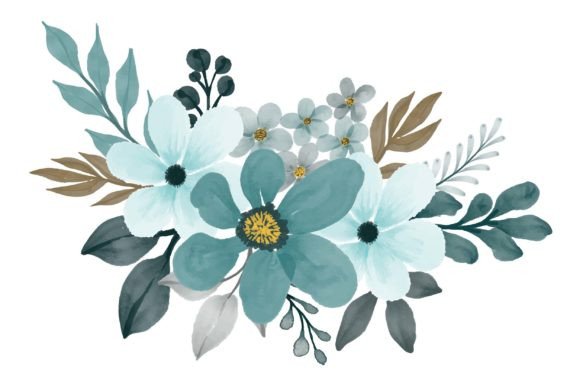
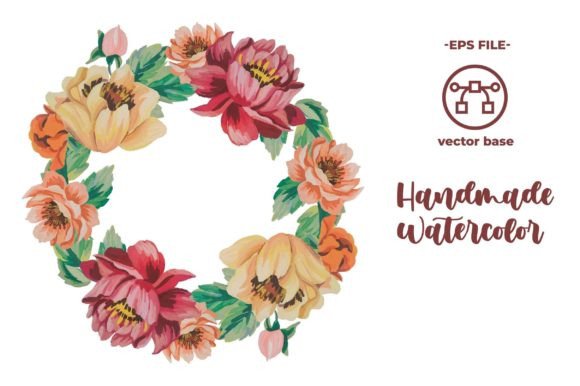
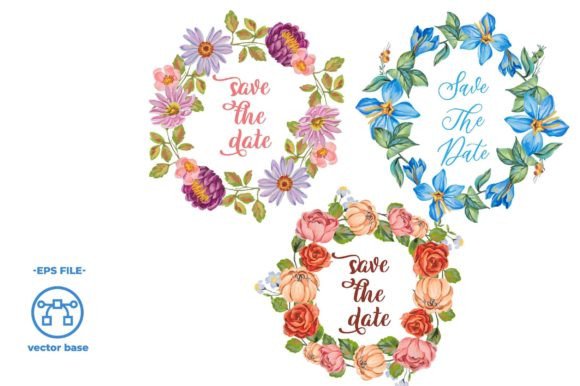
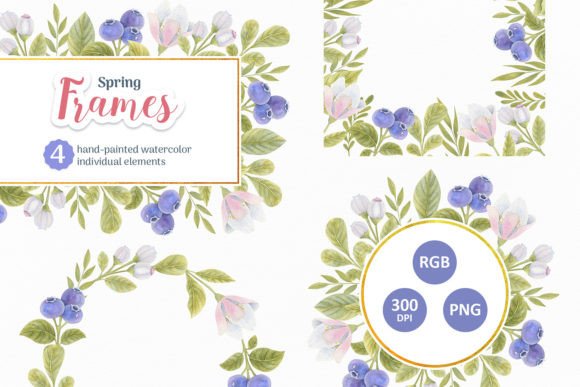
Opening up the Watercolor Floral Frame Illustrations, the first thing that hits you is the soft, painterly aesthetic. It's not a bold graphic or a sharp vector layout—it's a delicate, flowing composition that mimics actual brush strokes and watercolor washes. The floral motifs are loosely arranged in a frame-like layout, leaving a natural center space that invites personalization: names, dates, or even a small monogram. As an embroidery designer, I immediately saw the potential for baby gifts, boutique apparel, and custom tote bags.
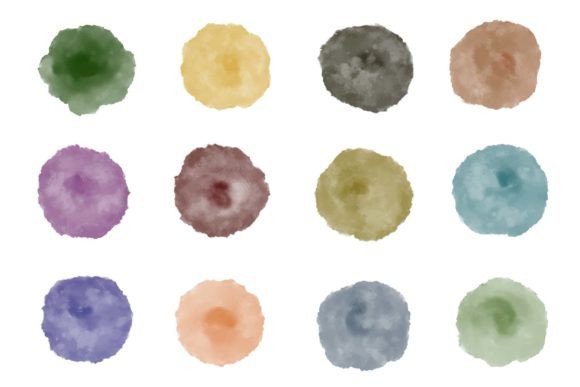
Visually, it leans toward a feminine, artistic vibe. The color blending in the original design suggests it would work beautifully in thread, especially with a well-planned thread palette. The layout feels intentional—balanced but not rigid, detailed but not overwhelming. It's the kind of design that could elevate a simple item into something that feels handmade and special.
Real-World Use: From Sweatshirts to Nursery Decor
I tested the design on a few different mockups to get a sense of how it would translate into real-life projects. Starting with a medium-weight cotton tote bag, the embroidery stitched cleanly, and the watercolor effect translated surprisingly well into satin and fill stitches. The soft gradients in the original illustration were interpreted as subtle color changes in thread, giving it that hand-painted look without looking muddy.
Next, I tried it on a sweatshirt. The thicker fabric helped absorb some of the detail density, and the frame layout gave a polished, framed feel to the chest embroidery. It looked high-end—like something a boutique would sell. I could easily see this used for seasonal collections: a floral frame with a holiday name inside for a personalized Christmas gift, or a baby’s name and birth date for a keepsake blanket.
Testing on a baby onesie was a bit trickier due to the stretch, but with a light tear-away stabilizer and careful hooping, the result was soft and wearable. The rounded corners of the frame adapted well to the curved surface of the garment, which is a plus when working with baby clothes that need both style and comfort.
Where to Use It Carefully
While the Watercolor Floral Frame Illustrations is versatile, it does require some thoughtful application. It’s not ideal for very small hoop sizes—those intricate floral corners and flowing lines can get lost below 3 inches. If you're working with a tiny cap front or a narrow towel hem, you may need to simplify or scale back the design.
Dark fabrics also present a challenge. The lighter floral elements in the original illustration may not pop as much without careful thread selection. I’d recommend using light-to-medium thread shades with a bit of sheen to mimic the watercolor effect. Also, if you're stitching on textured or stretchy fabric, be sure to use a quality stabilizer and test on scrap first.
Another consideration is stitch density. Because of the painterly style, some areas might be more densely stitched than others, which could cause puckering on thin or delicate materials. Always test on a similar fabric to your final product and adjust the tension or underlay if needed.
Impact on Product Value and Customer Appeal
From a business standpoint, this design has real potential to elevate your offerings. The soft, artistic look appeals to customers who want something unique and handmade—not just a mass-produced logo. When used on personalized gifts like embroidered pillows or nursery wall hangings, it adds a touch of sophistication that customers are willing to pay for.
For Etsy sellers and small shop owners, the Watercolor Floral Frame could serve as a go-to design for seasonal bundles, custom gift sets, or even digital embroidery kits. It pairs well with other floral or minimalist designs, making it easy to build a cohesive product line around it.
Its visual appeal also translates well into digital mockups. Whether you're creating printable mockups for your customers or previewing designs for a client, this layout photographs beautifully and looks professional in listings. That helps build trust and makes your finished product look more polished and intentional.
Designer Notes: Practical Tips for Best Results
Here are some key takeaways from my testing:
- Test on scrap fabric before stitching on your final product, especially if you're using stretchy or textured material.
- Check thread color contrast—lighter floral elements may need a slightly brighter thread to stand out on dark backgrounds.
- Review stitch density carefully. If you notice areas that look too thick or bunched, adjust the underlay or reduce density slightly.
- Confirm hoop size compatibility. If you're working with a smaller hoop, consider using only a portion of the frame or simplifying the corners.
- Inspect small details like leaf veins or thin lines. These can sometimes get lost in stitching or require a finer needle.
- Try black and white mockups to see how the design holds up without color—this is especially useful for minimalist branding or monochrome collections.
- Use proper stabilizer for the fabric type. A lightweight cut-away works best for stretchy materials, while tear-away is ideal for stable cottons and linens.
- Confirm licensing before using the design in commercial embroidery or digital product sales. Always check whether the file allows for resale of finished items or if it’s limited to personal use only.
Final Thoughts: A Flexible Design for Real Projects
Overall, the Watercolor Floral Frame Illustrations is a solid choice for designers and makers looking to add a touch of softness and artistry to their embroidery work. It’s not just a pretty image—it’s a functional, adaptable design that can work across a range of products from custom apparel to holiday gifts.
Whether you're creating personalized baby items, boutique tote bags, or embroidered patches for a small business line, this design brings both visual appeal and practical value. With a little planning and attention to detail, it can become a staple in your embroidery library—helping you create finished products that feel both professional and personal.