Watercolor Flower Wreath Dusty Pink Rose Review
As a designer who has spent years translating digital art into tangible thread, I approach every new machine embroidery design with a mix of excitement and skepticism. The gap between a beautiful screen image and a successful finished product can be wide. When I first opened the file for Watercolor Flower Wreath Dusty Pink Rose, my immediate reaction was to assess its potential for real-world application rather than just admiring its aesthetic. This piece falls squarely into the Illustrations category, promising that soft, dreamy vibe that is currently dominating social media feeds for handmade goods. But does it hold up under the scrutiny of a commercial stitch-out?
The Mood and Visual Personality of the Design
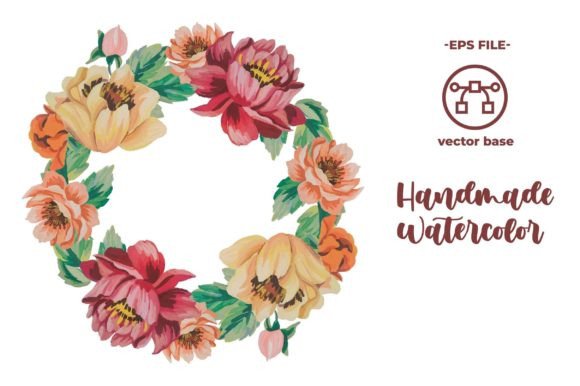
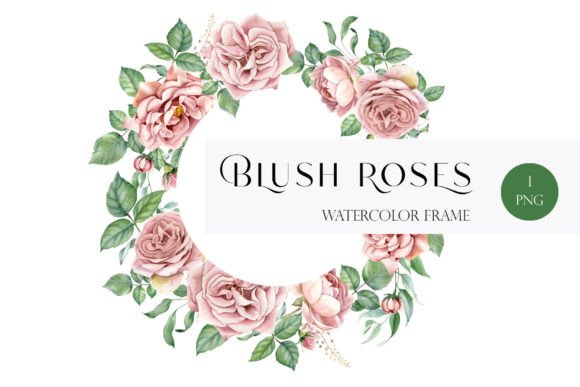
The first thing you notice about Watercolor Flower Wreath Dusty Pink Rose is its gentle approach to color and form. Unlike bold, graphic logos or high-contrast geometric patterns, this design relies on subtle gradients and organic shapes to create depth. It feels like a watercolor painting captured in thread, which is a difficult feat to achieve without careful digitizing. The dusty pink tones suggest romance, nostalgia, and a touch of vintage charm. For an Etsy seller or a boutique owner looking to curate a specific brand identity, this embroidery file offers a distinct visual language.
However, the "watercolor" effect is where the rubber meets the road. In a digital preview, the blending looks seamless. In reality, achieving that soft transition requires precise fill stitch management and potentially multiple layers of thread colors. If the digitizer has used too many abrupt color changes, the result might look pixelated rather than blended. My initial assessment is that this design works best when the viewer stands back slightly; it is not a design meant for microscopic inspection but rather for overall impression.
A Real-World Scenario: The Custom Tote Bag Project
To truly test the viability of Watercolor Flower Wreath Dusty Pink Rose, I imagined using it for a line of custom canvas tote bags. These are staples for small shops, often sold as reusable grocery bags or stylish carryalls for farmers' markets. Imagine placing this wreath on the center of a natural, unbleached cotton tote. The contrast between the raw fabric and the soft dusty pink roses would be striking. The wreath shape naturally frames the center of the bag, drawing the eye inward.
In this scenario, the design's layout becomes a crucial factor. A wreath format is forgiving because it doesn't have hard corners that might pucker on a curved surface like a bag handle attachment point. However, the size matters immensely. If I were selling these as a small shop product, I would need to ensure the hoop size accommodates the full wreath without cutting off delicate petals. Stitching this onto a thick canvas requires a robust stabilizer. Without proper backing, the density of the fill stitches could cause the fabric to sink, creating a dimpled effect that ruins the smooth, painted look we are aiming for.
Furthermore, consider the customer experience. A buyer purchasing a tote bag with Watercolor Flower Wreath Dusty Pink Rose is likely looking for something feminine and artistic. They aren't buying a logo; they are buying a piece of wearable art. If the stitching quality is poor—if threads are loose or the color transitions are muddy—the perceived value drops instantly. Conversely, if executed well, this design elevates a simple canvas bag into a premium handmade product.
Navigating Fabric Textures and Material Challenges
While the tote bag scenario is ideal, this design demands caution on other materials. Watercolor Flower Wreath Dusty Pink Rose features fine details in the petals and leaves. On textured fabrics like denim, linen, or heavy fleece, those fine details can get lost in the weave. The texture of the fabric competes with the texture of the thread. If you attempt this on a chunky knit sweater or a rough canvas apron, the delicate nature of the rose might appear blurry or indistinct.
Stretchy fabrics present another challenge. On items like baby onesies or yoga apparel, the hoop tension required to keep the fabric flat during stitching can distort the shape of the wreath. Once the hoop is released, the fabric snaps back, potentially warping the circular symmetry of the design. For baby embroidery, safety and durability are paramount. You must ensure there are no loose threads that could pose a hazard and that the design withstands frequent washing. The soft colors of the dusty pink rose are also prone to fading if low-quality thread is used, so investing in high-grade thread colors is non-negotiable.
Dark fabrics require special attention. The description highlights "dusty pink," which implies lighter shades. Placing light thread on a black sweatshirt creates a halo effect around the stitches, which can sometimes look unintentional unless planned for. To make Watercolor Flower Wreath Dusty Pink Rose pop on dark backgrounds, you might need to add a layer of white underlay or use a toner sheet, adding time and cost to your production process. Always test the design on scrap fabric first to see how the light interacts with the thread before committing to a client order.
Strategic Use for Commercial Embroidery Projects
For the creative entrepreneur, understanding where to deploy this asset is key to maximizing profit. This design is less suited for corporate branding or industrial uniforms, where legibility and boldness are king. Instead, it shines in the realm of personalized gifts and lifestyle products. Think holiday embroidery for gift tags, wedding gifts like pillow covers, or nursery decor. The romantic aesthetic aligns perfectly with events and life milestones.
If you are planning to sell the finished items, remember that licensing is critical. Just because you purchased the digital embroidery file does not automatically grant you the right to sell the physical goods containing it. Some licenses allow for limited sales, while others restrict use to personal projects only. Before listing a custom apparel item featuring Watercolor Flower Wreath Dusty Pink Rose on your site, double-check the terms. Similarly, if you plan to use the design in printable mockups to showcase your services, ensure you have the rights to display the artwork digitally.
Practical Designer Notes for Success
- Test Stitches: Never skip the test run. Stitch out the design on the exact fabric you intend to use to check for puckering and thread breakage.
- Stabilizer Selection: Use a tear-away stabilizer for stable fabrics like cotton, but opt for a cut-away or wash-away mesh for stretchy knits to support the intricate fill stitches.
- Color Contrast: Verify that the dusty pink hues stand out against your chosen background. If the contrast is too low, the design will look washed out.
- Hoop Size Verification: Ensure your machine hoops can accommodate the full width of the wreath. Cropping the design to fit a smaller hoop may ruin the composition.
- Density Check: Inspect the stitch density settings. Too dense, and the fabric will stiffen; too sparse, and the watercolor effect will disappear.
- Licensing Compliance: Confirm whether the license covers commercial resale of finished goods or if it is restricted to personal use only.
In conclusion, Watercolor Flower Wreath Dusty Pink Rose is a versatile and charming addition to any designer's library, provided it is used with intention. It excels on medium-weight, stable fabrics where its soft aesthetics can shine without interference from texture or stretch. By respecting the technical requirements of the digitized file and choosing the right applications, you can turn this embroidery project into a standout piece for your portfolio or shop. Whether you are crafting a one-of-a-kind personalized gift or building a line of boutique merchandise, this design offers a unique opportunity to bring a painterly touch to the world of thread.