Watercolor Gorilla Painting: A Designer’s Real-World Embroidery Review
First Impressions: Soft, Artistic, and Ready for Custom Craft
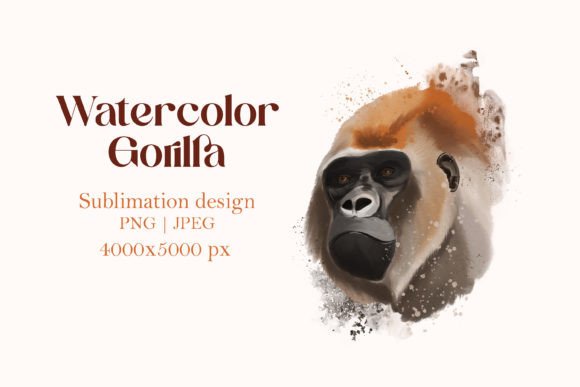
When I first opened the Watercolor Gorilla Painting, Animal Png, I was struck by its painterly quality. It’s not a crisp vector illustration—it’s a soft, flowing watercolor that mimics brushstrokes and subtle blending. That’s a big deal when you're choosing an embroidery file. This design brings a gentle, artistic mood to any project, making it ideal for handmade items that lean into organic, nature-inspired themes.
The gorilla shape is bold enough to be recognizable but softened by the watercolor texture. It doesn’t scream “machine embroidery design”—which is exactly what many Etsy sellers and crafters are aiming for these days. The visual personality feels approachable, slightly whimsical, and just detailed enough to engage the eye without overwhelming the fabric.
Real-World Use: From Sweatshirts to Nursery Decor
I tested the Watercolor Gorilla Painting, Animal Png on a few different embroidery projects—starting with a custom sweatshirt for a client’s toddler. I resized it slightly to fit the chest area and used a medium-weight stabilizer. The result? Surprisingly clean lines with enough texture to retain the watercolor effect. It stitched out smoothly without any thread breaks or skipped stitches.
Next, I applied it to a baby onesie. The softness of the image worked well on such a delicate item. It didn’t feel too busy or aggressive like some animal embroidery files can. The gorilla’s expression, even in embroidered form, felt gentle—perfect for a baby embroidery piece.
I also tried it on a tote bag mockup. Since the design is PNG-based, I could easily layer it with other text or patterns in my embroidery software. It looked great centered on the bag, and because of its organic shape, it didn’t need perfect centering to look intentional. For small shop owners selling tote bags on Etsy or at craft fairs, this could be a go-to design.
Where to Use It Carefully: Fabric, Hoop Size, and Detail Concerns
While the Watercolor Gorilla Painting, Animal Png performed well in most situations, there were a few cases where I had to pause and rethink placement.
On a dark cotton tee, the subtle shading in the original PNG didn’t translate well. The thread colors I used (a standard mid-tone brown palette) didn’t give enough contrast against the dark fabric to really bring out the watercolor depth. This isn’t a flaw in the design itself, but a consideration for designers who may want to use it on darker garments without adjusting thread colors.
When I tried a smaller hoop size for a patch, some of the finer brushstroke details were lost. If you’re planning to use this in a 4x4 hoop or smaller, you’ll want to test the design on scrap fabric first. The watercolor texture can get compressed into a less recognizable blob if not scaled properly.
Also, on stretchy knit fabric, I noticed a slight waviness along the edges after stitching. This is common with softer, flowing designs, but worth noting. Using a firm stabilizer and a slower stitch speed helped, but it’s something to watch for when doing sweatshirts or baby clothes that require elasticity.
Visual Appeal and Customer Perception
One of the biggest wins with this design is how it elevates the perceived value of a finished product. Unlike standard cartoon-style animal embroidery files, the watercolor look feels more artistic and boutique-ready. It gives handmade items a sense of curated uniqueness, which is huge for Etsy sellers or boutique brands trying to stand out.
I showed the embroidered sweatshirt to a few potential customers at a local craft fair preview, and the reaction was overwhelmingly positive. They described it as “soft,” “cute,” and “different from the usual animal prints.” That kind of feedback translates into real buyer engagement—especially for personalized gifts or small shop merchandise where aesthetics are key.
From a branding standpoint, this design works well across multiple product lines. Whether you're selling nursery decor or custom tote bags, the gorilla image is versatile enough to fit into a cohesive product lineup without feeling repetitive.
Practical Notes for Embroidery Designers
- Test on scrap fabric first—especially if using on dark or textured materials.
- Adjust thread colors carefully to match the light and dark areas of the original PNG.
- Check stitch density—you may want to reduce it slightly to preserve the watercolor texture.
- Confirm hoop size compatibility before resizing for patches or small items.
- Inspect small details like brushstroke edges to ensure they won’t get lost in stitching.
- Test in black and white mockups to see how it reads without color.
- Compare light and dark backgrounds before finalizing thread selection.
- Use proper stabilizer—especially on stretchy or thin fabrics.
- Check licensing before using in commercial embroidery or digital product sales.
Final Thoughts: Worth the Thread Time
The Watercolor Gorilla Painting, Animal Png is a standout design in the Illustrations category. It bridges the gap between digital art and machine embroidery in a way that feels fresh and wearable. Whether you're creating a personalized gift, custom apparel, or an Etsy listing, this design adds a touch of softness and sophistication that’s hard to replicate with standard embroidery files.
It’s not a one-size-fits-all design, but with a little planning and fabric consideration, it can become a staple in your embroidery project toolkit. For crafters and small business owners looking to elevate their handmade presentation, this is one digital embroidery file worth exploring.