Japanese Watercolor Peonies Illustration Review
As a digital product creator who has spent years navigating the competitive landscape of Etsy, Creative Fabrica, and print-on-demand platforms, I know that the difference between a bestseller and a forgotten listing often comes down to the quality of the underlying graphic design asset. Recently, I acquired the Japanese Watercolor Peonies Illustration to test its viability for an upcoming spring collection. My goal was simple: determine if this specific set of Illustrations could support a profitable line of digital downloads, merchandise, and templates without requiring excessive editing or compromising on visual appeal.
First Impressions and Market Niche
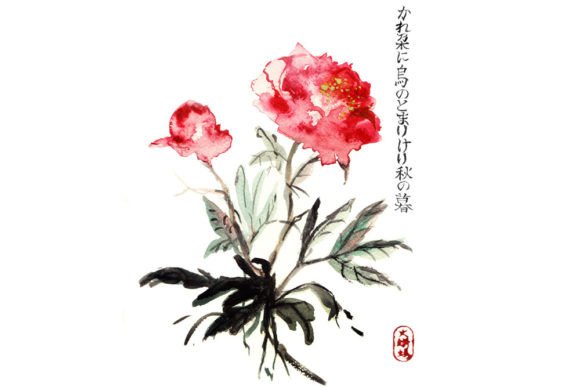
The moment I opened the preview files, the mood was immediately clear. This is not a bold, neon, or ultra-modern graphic; it is elegant, feminine, and deeply rooted in traditional aesthetics with a modern watercolor twist. The soft gradients and delicate petal details suggest a buyer demographic that values sophistication and tranquility. In the world of creative marketplaces, this style appeals strongly to customers looking for nursery prints, wedding stationery, and home decor that feels handmade yet polished.
Unlike generic floral clipart that can feel flat or overused, the Japanese Watercolor Peonies Illustration carries a sense of premium quality. It fits perfectly into the "boho-chic" and "minimalist luxury" niches currently trending on Instagram and Pinterest. For a small business owner trying to establish a cohesive brand identity, these assets offer a distinct visual voice that stands out against the sea of vector-heavy, hard-edged designs flooding the market.
Real-World Product Applications
To truly evaluate the utility of this commercial design, I began mapping out potential products. The versatility of the Japanese Watercolor Peonies Illustration is impressive, but it requires strategic placement to maximize value.
- Printable Wall Art: The high-resolution nature of the PNGs makes them ideal for large-format prints. A single peony centered on a cream background creates an instant gallery-worthy piece for nurseries or living rooms.
- Greeting Cards and Invitations: The organic shapes work beautifully as corner accents or full-bleed backgrounds for wedding invitations and birthday cards. When paired with a delicate script font, the result is highly professional.
- Sublimation Designs: I tested the images on white mugs and tumblers. The watercolor texture translates well to sublimation, provided the color profile is managed correctly. These make excellent mug designs for Mother's Day or bridal showers.
- Cricut Projects: While primarily raster-based, these images can be used for heat-transfer vinyl (HTV) projects where the edges are cut around the shape rather than relying on internal vector paths. They also serve as fantastic overlays for paper crafting and scrapbooking kits.
- Canva Templates: As a template seller, I found these illustrations perfect for social media graphics, blog headers, and eBook covers. They add a layer of depth that standard Canva elements often lack.
Enhancing Product Presentation and Trust
In the digital selling game, your thumbnail is everything. The Japanese Watercolor Peonies Illustration excels in creating high-click-through-rate thumbnails. When placed on a clean, neutral mockup, the soft colors pop without overwhelming the viewer. This visual hierarchy helps build customer trust before they even read the description.
For Etsy products specifically, using these assets consistently across a shop banner, listing images, and packaging inserts creates a seamless brand experience. If you are launching a seasonal bundle, these peonies can tie together disparate products—from planner stickers to tote bag prints—making the entire collection feel curated rather than random. This perceived value is crucial for justifying higher price points in a saturated market.
Strategic Limitations and Careful Usage
While the asset is powerful, it is not a magic bullet for every project type. As an experienced seller, I must highlight where caution is needed. Because these are watercolor-style PNG designs, they do not have the crisp, scalable lines required for intricate SVG designs intended for cutting machines like Cricut or Silhouette. Attempting to use them for tiny sticker details or complex layered cuts will likely result in jagged edges or lost detail.
Furthermore, the light, airy nature of the watercolor means they struggle against dark backgrounds. If you are designing t-shirt graphics for black fabric, the contrast may be too weak unless you adjust the opacity or add a backing element. Similarly, in text-heavy templates, the intricate petals can compete with typography, making the message harder to read. Always ensure there is enough negative space to let the illustration breathe.
Practical Seller Notes for Success
Before publishing any product featuring the Japanese Watercolor Peonies Illustration, I recommend a rigorous testing phase. Start by verifying the file resolution. Zoom in to 400% to check for pixelation, especially at the edges of the petals. Ensure the transparency of the PNG is clean, with no unwanted white halos that would ruin the look when placed on colored backgrounds.
If you are planning to sell physical goods, always order a sample. Print the design on the exact material you intend to sell—be it canvas, ceramic, or cotton—to see how the ink absorbs. Colors on a screen rarely match the final print exactly. Additionally, organize your files clearly for your customers if you are reselling the digital asset itself. Label layers logically and include a guide on which fonts pair best, such as a mix of serif for elegance and handwritten styles for a personal touch.
Finally, double-check the commercial license. Even if the asset is beautiful, you cannot legally sell finished products containing it unless the license explicitly permits commercial use. Once verified, this design asset can become a cornerstone of your portfolio, driving sales through its timeless appeal and adaptability across various print-on-demand and digital formats.